When Man played God
3rd year Fine Art Degree Show – 2024

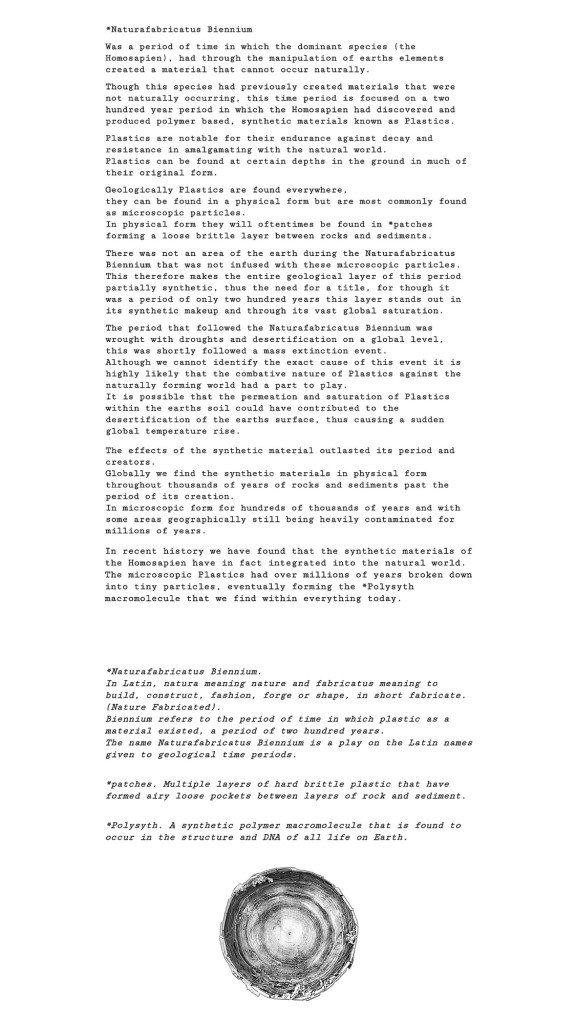
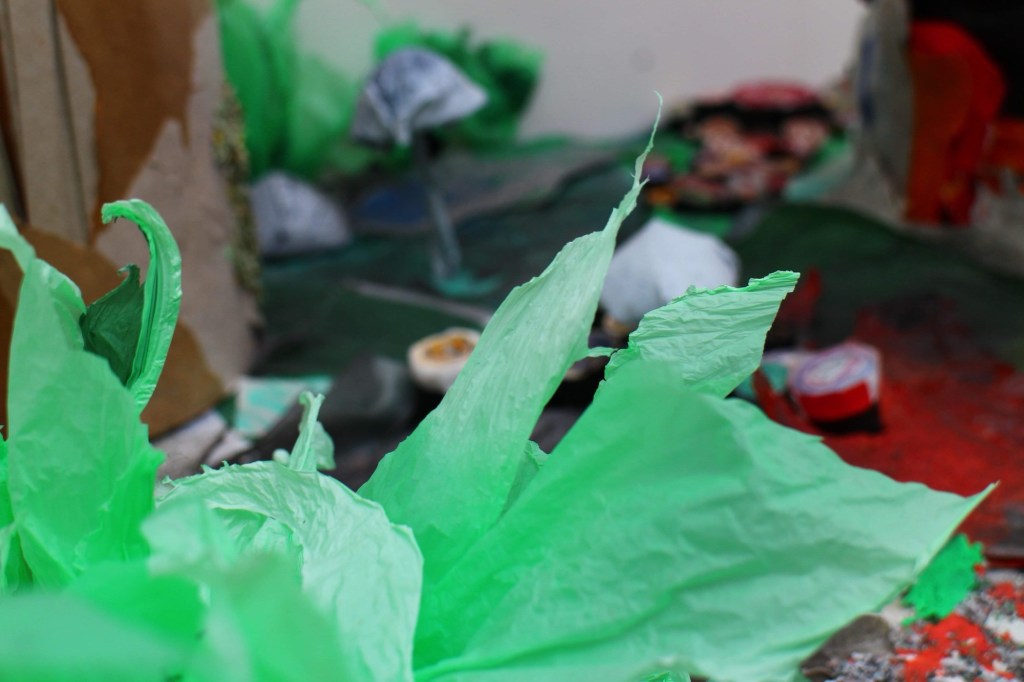
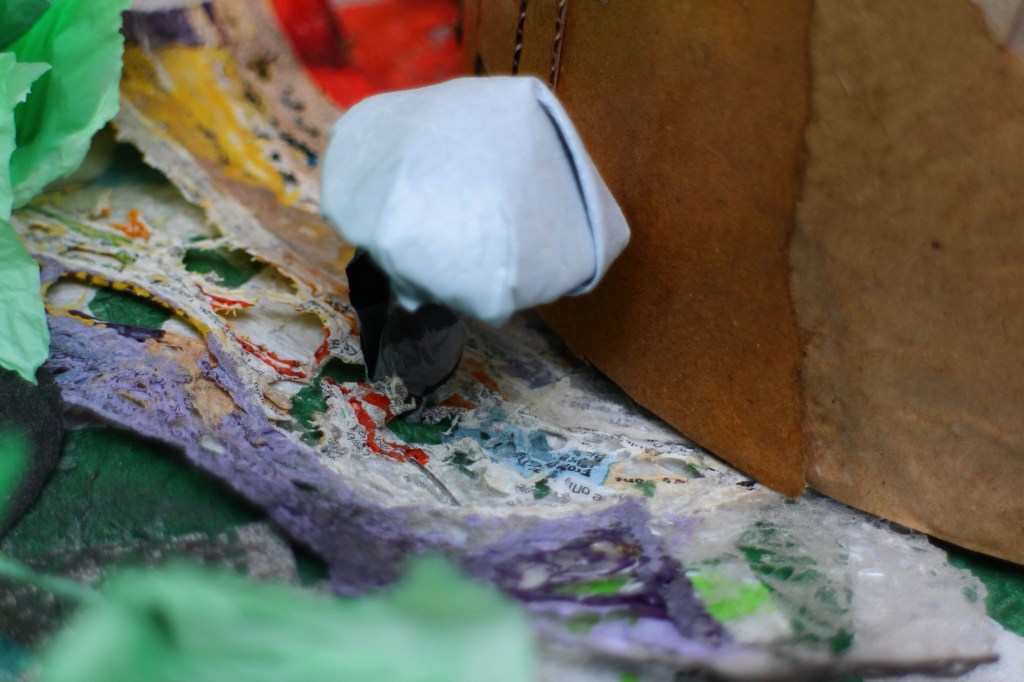
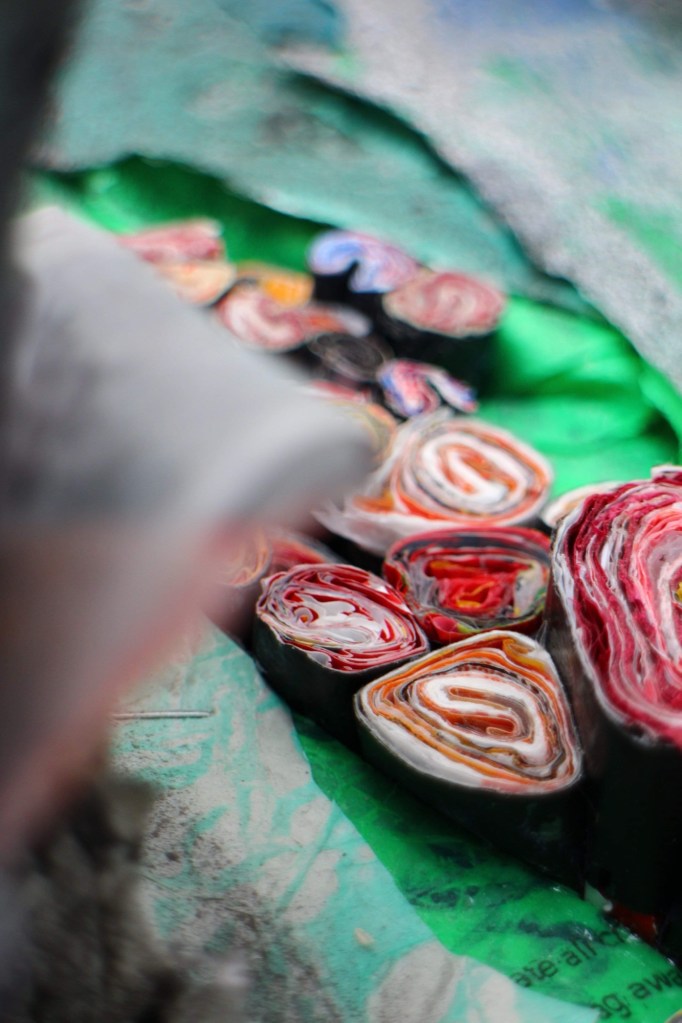
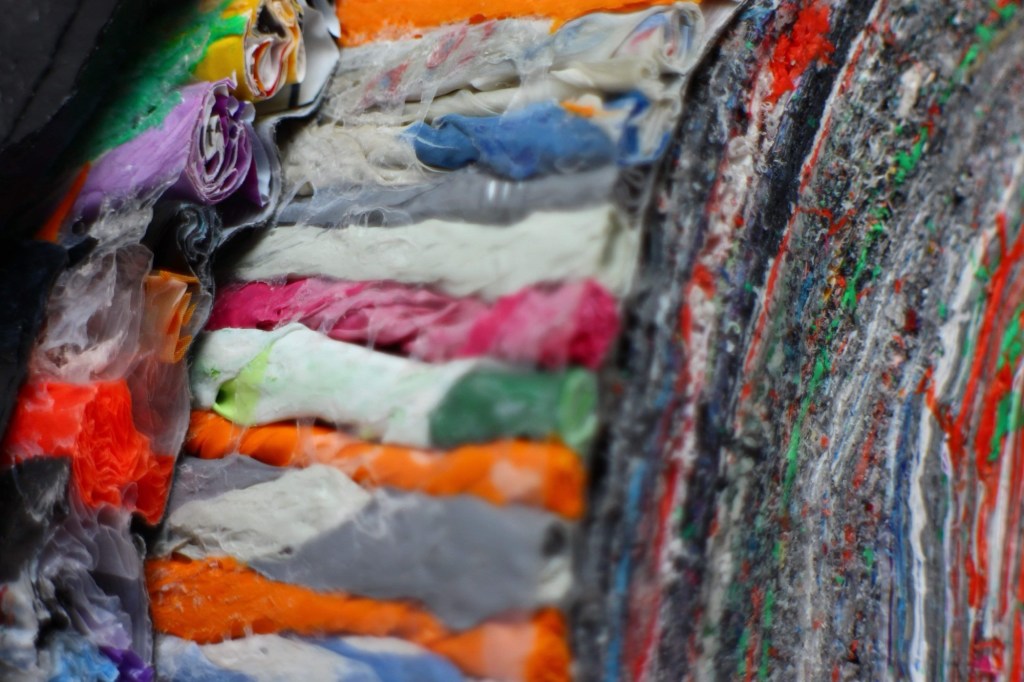
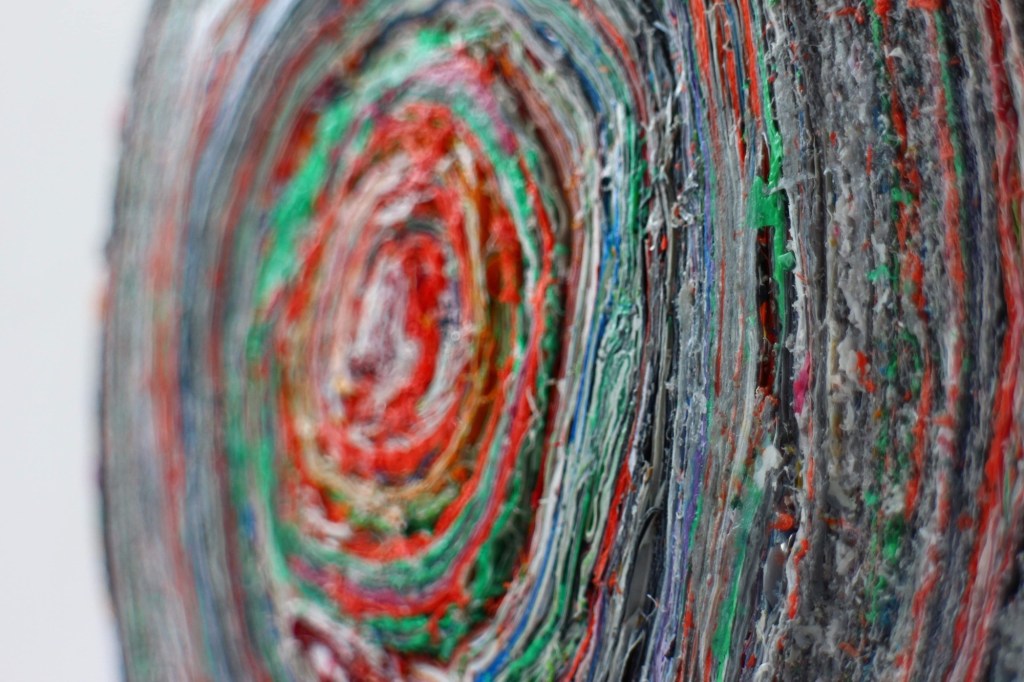
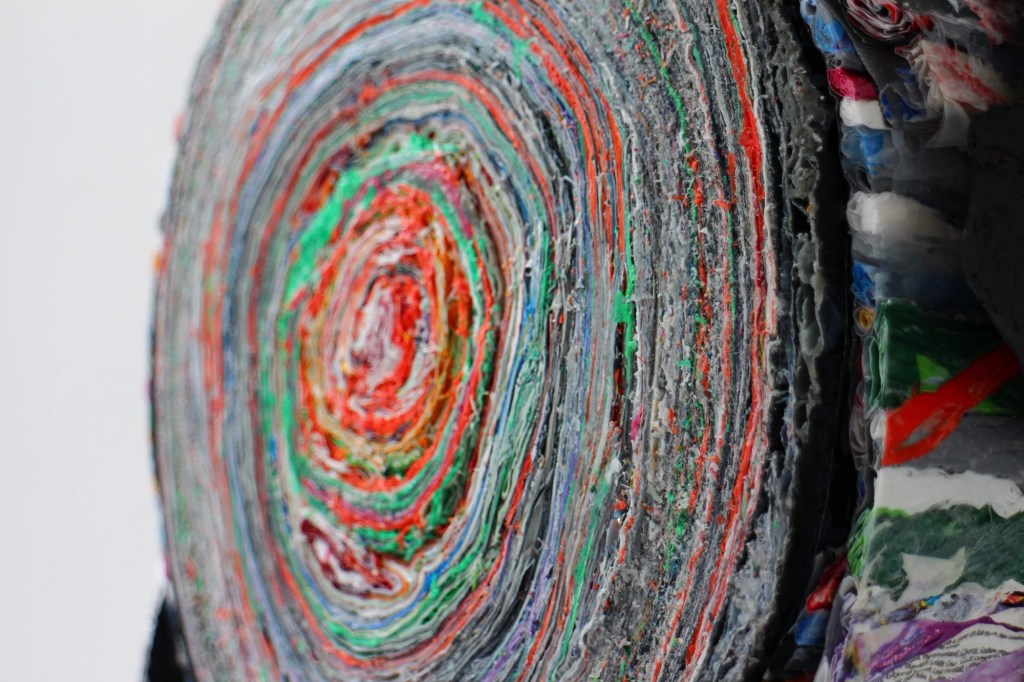
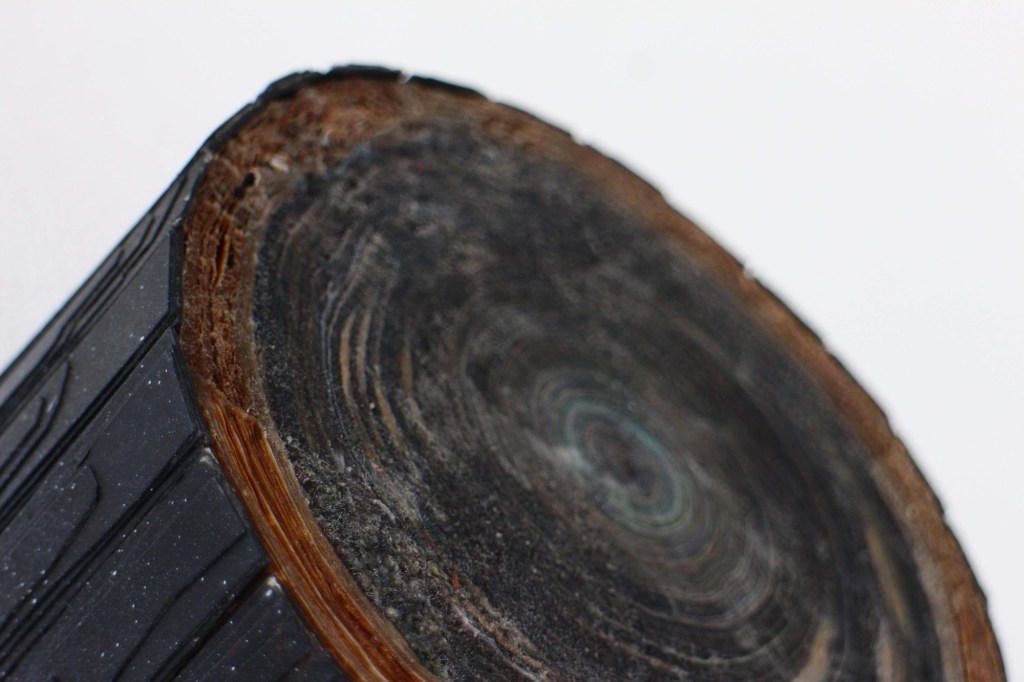
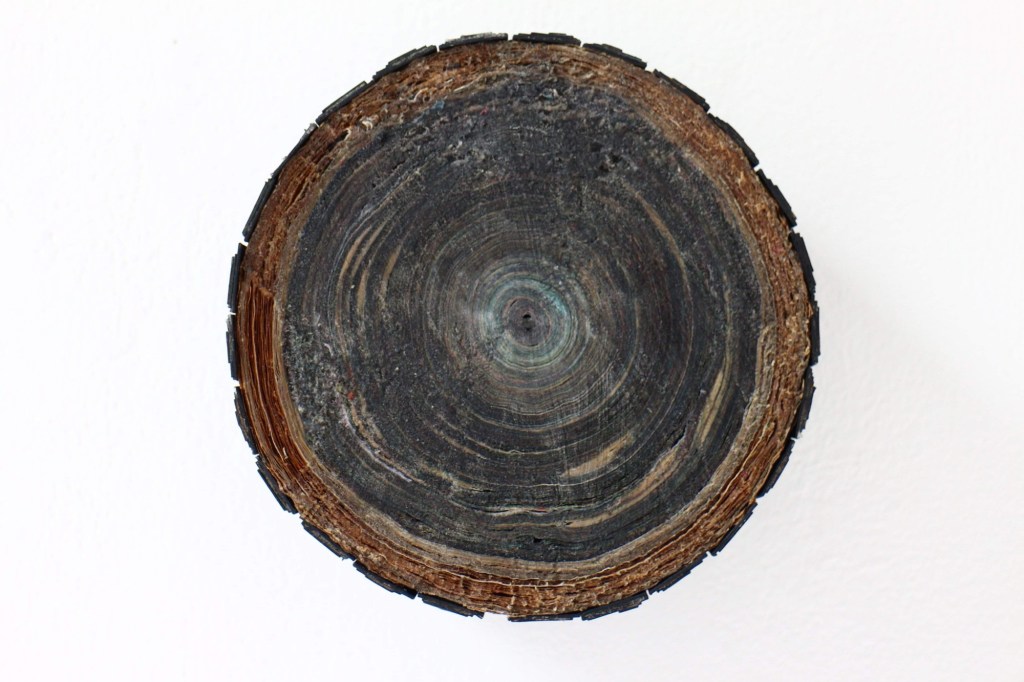
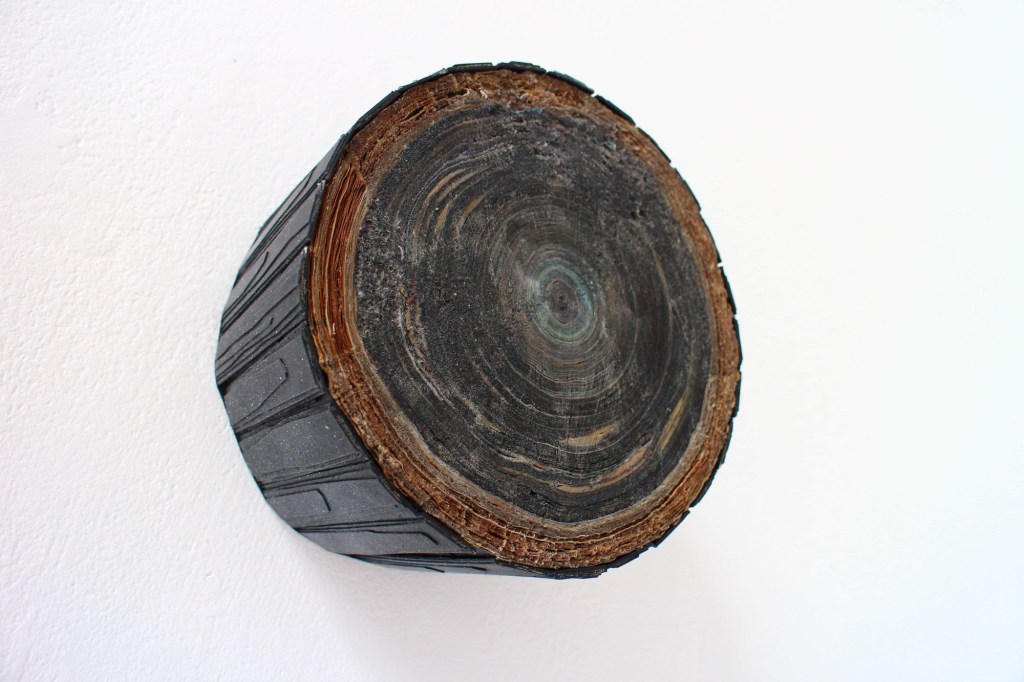
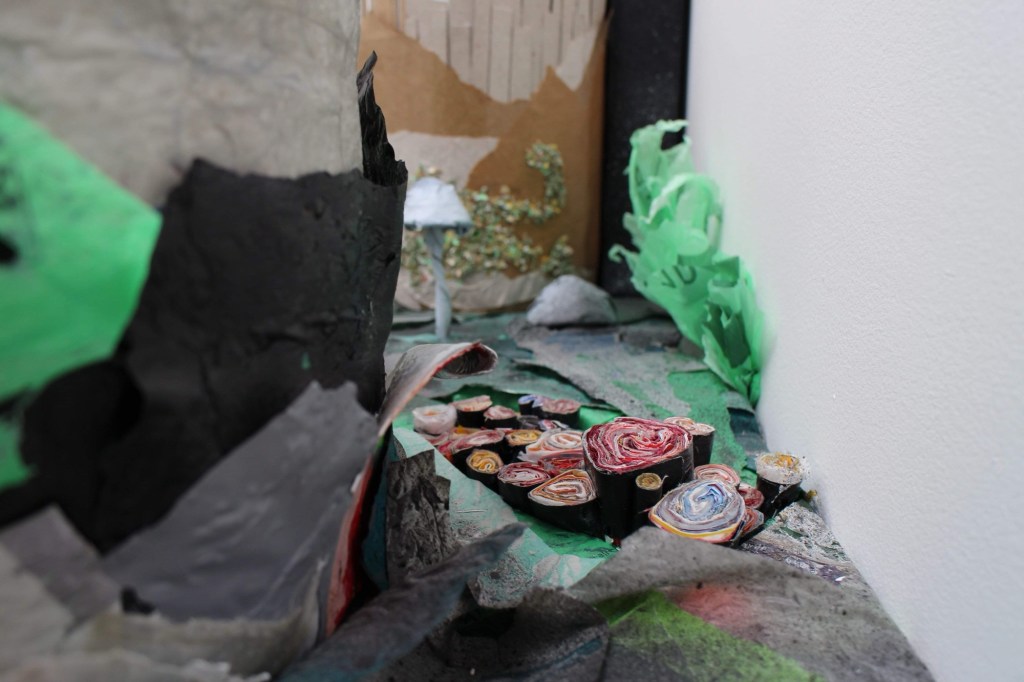
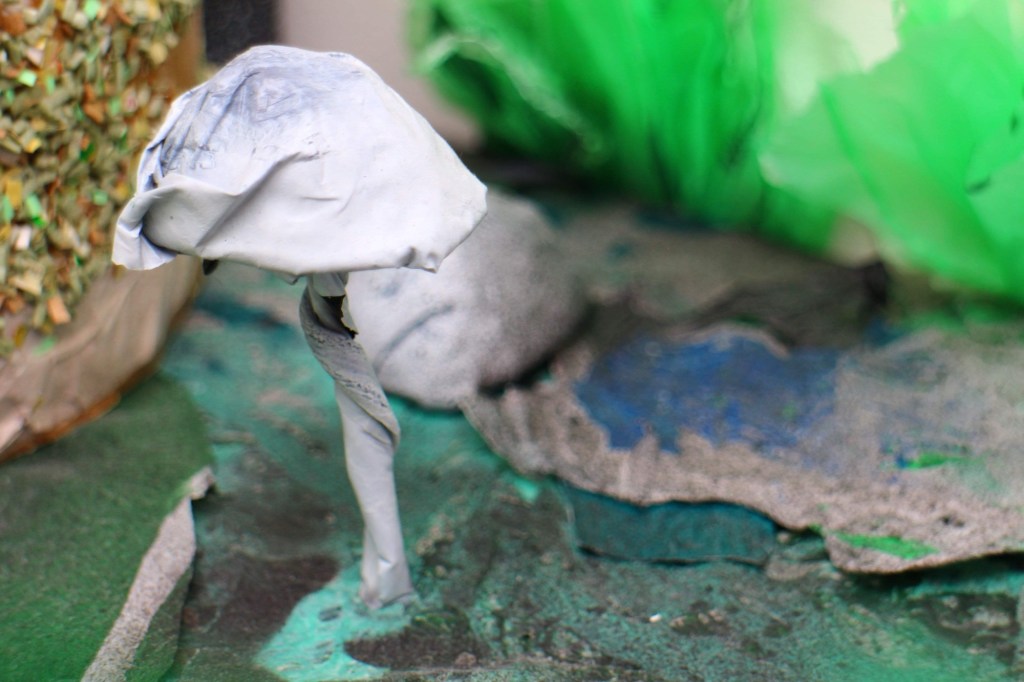
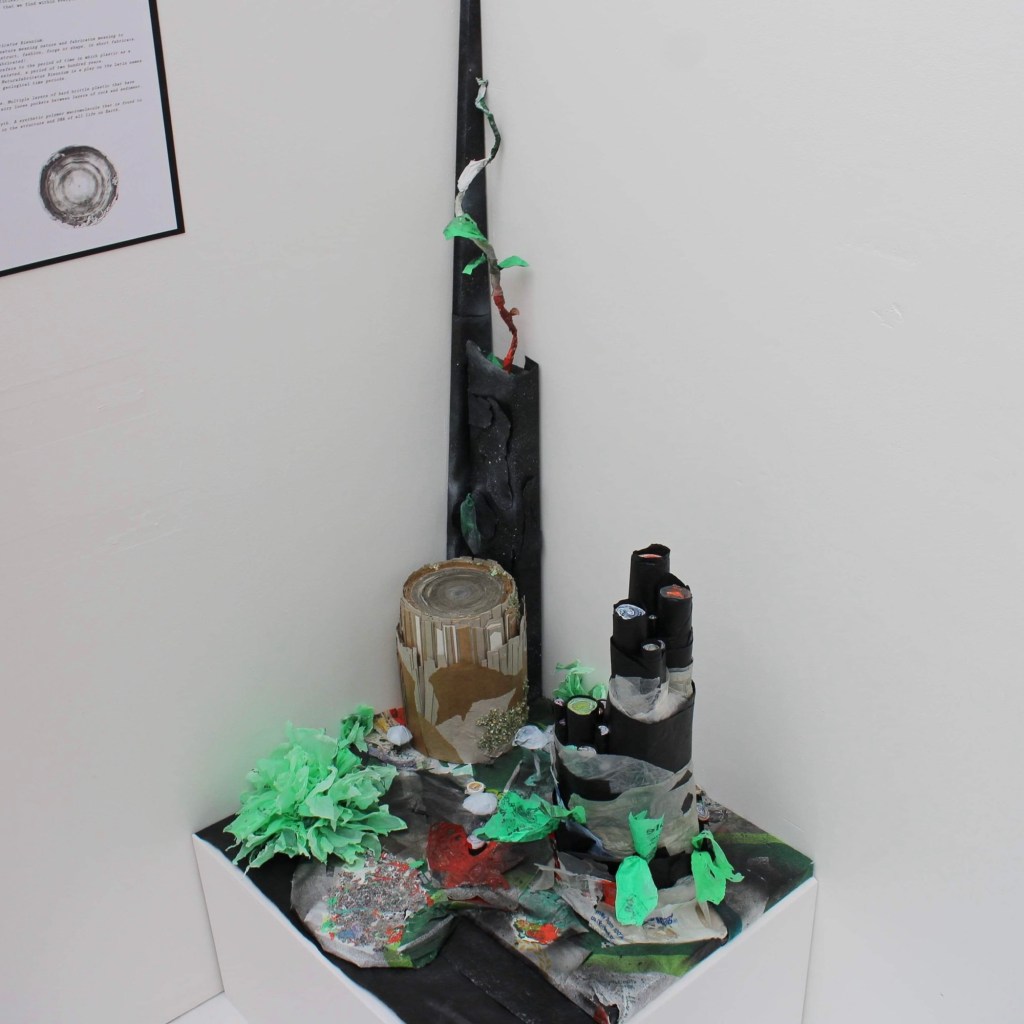
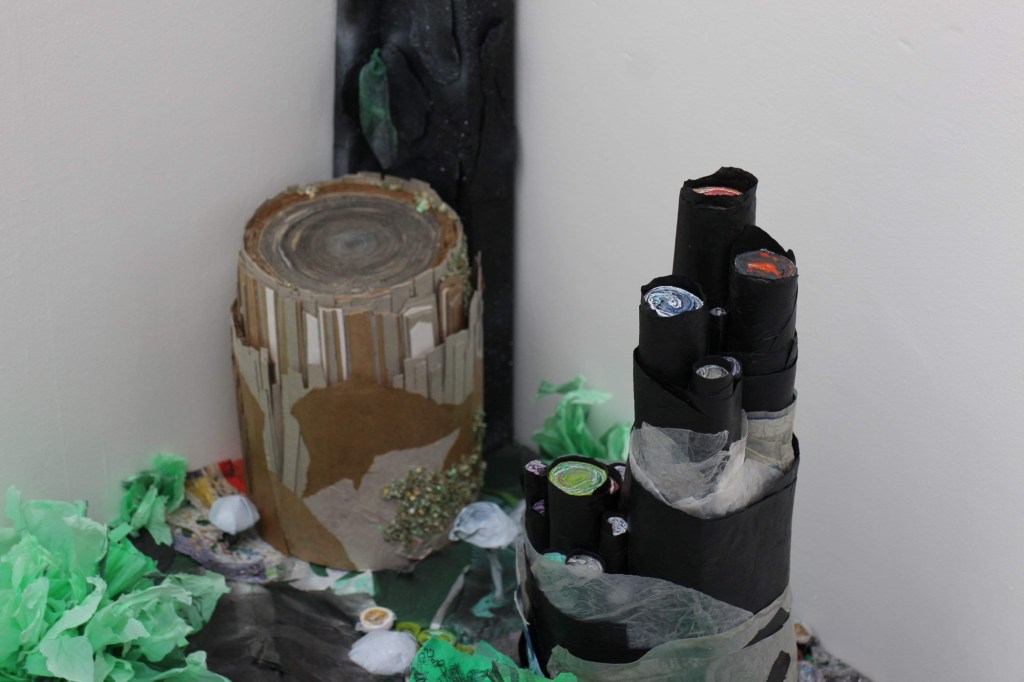
This exhibit is an exploration into how humanities manipulation of natural elements into materials such as Plastics affect the environment, and how through the passing of time they might integrate into the natural world.
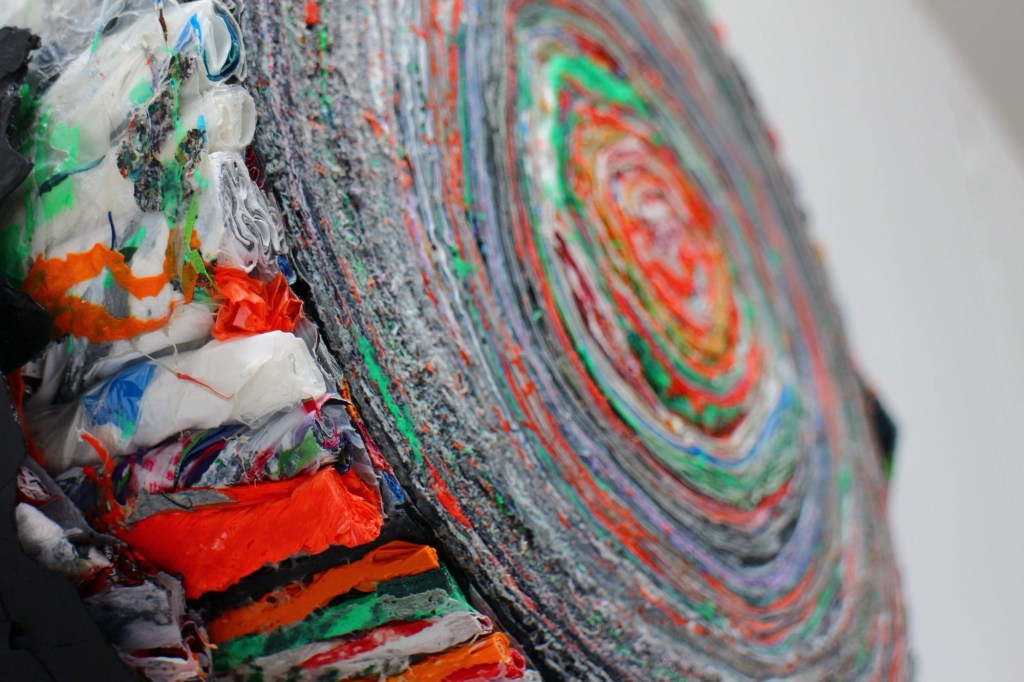
By taking mass produced materials made in quick succession I contrast them against the skill, precision, care and time of the artist.
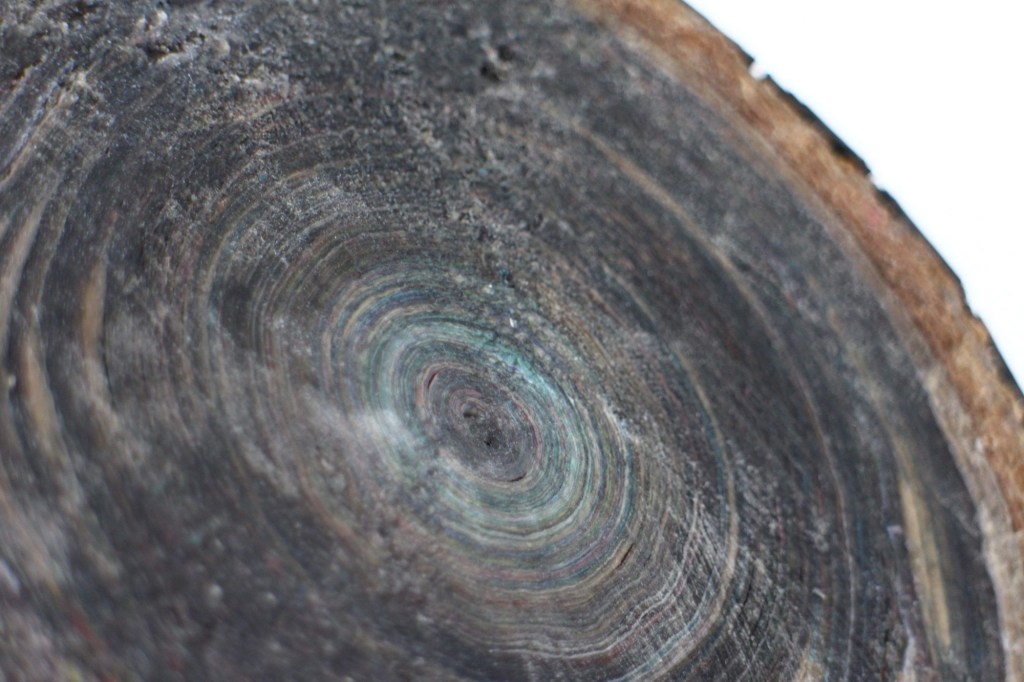
Mimicking the process of the growing world, to reform unnatural into the natural.

This exhibit is not a look at how we have destroyed the earth, but how this world will live on without us.
Though our effect today is devastating, life endures, It is tenacious.
This world will carry on far beyond our time, what we leave behind the earth will purify, and what doesn’t fit will either be integrated or removed.

Gallery
—











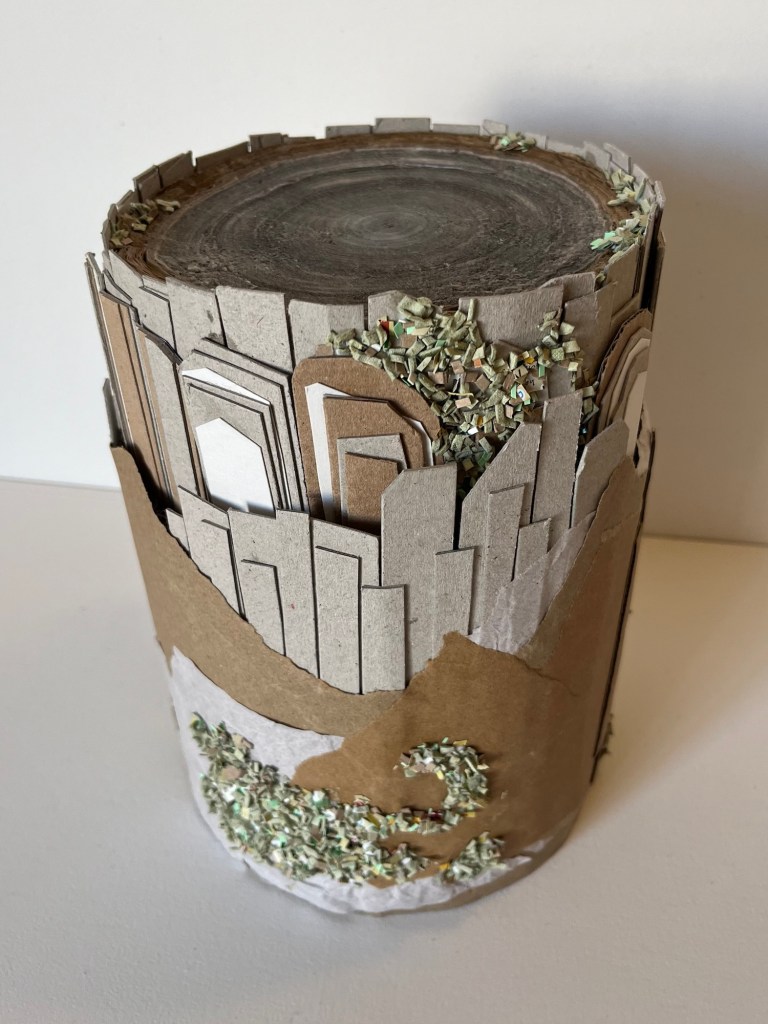
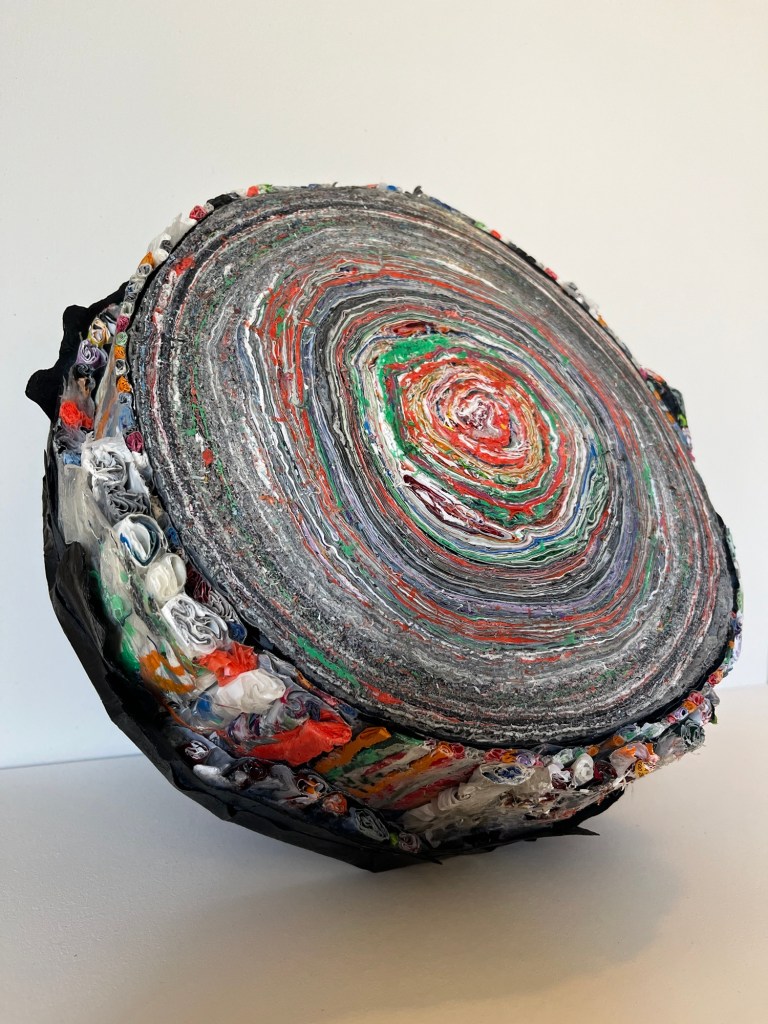
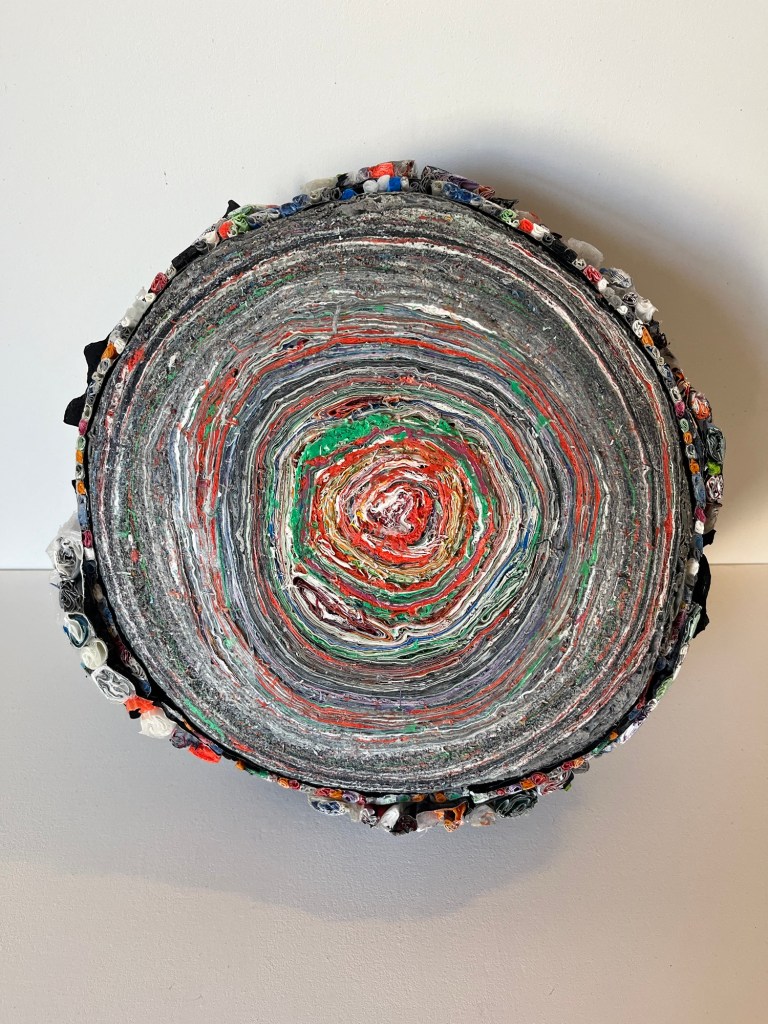
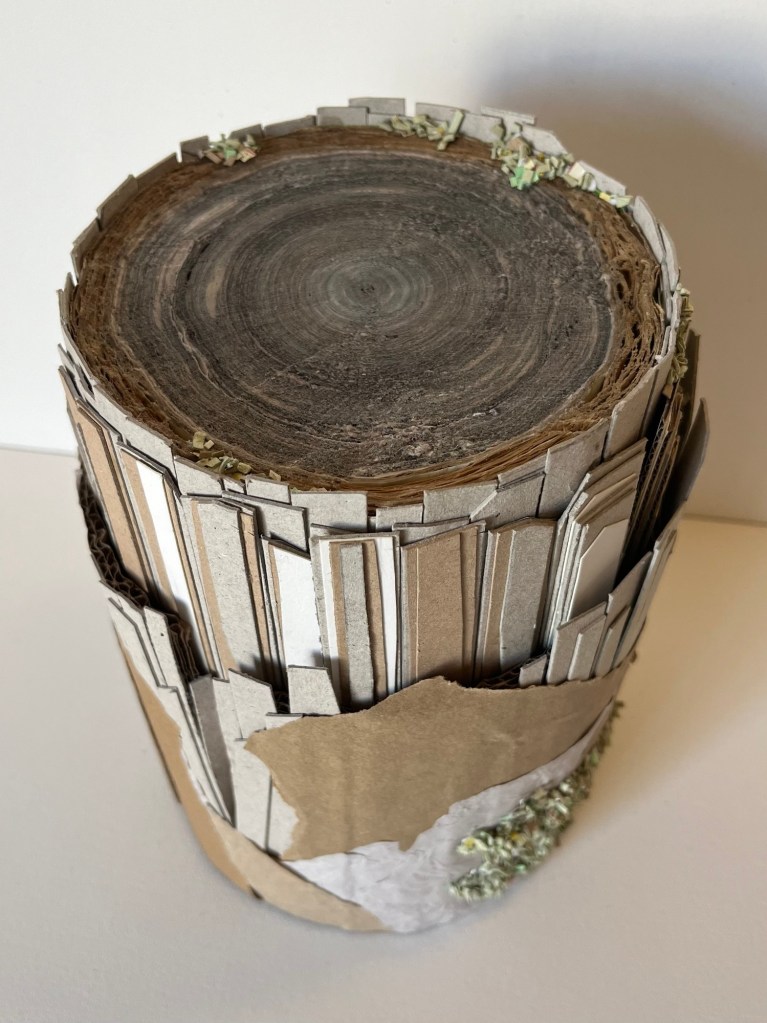
Narrative
—
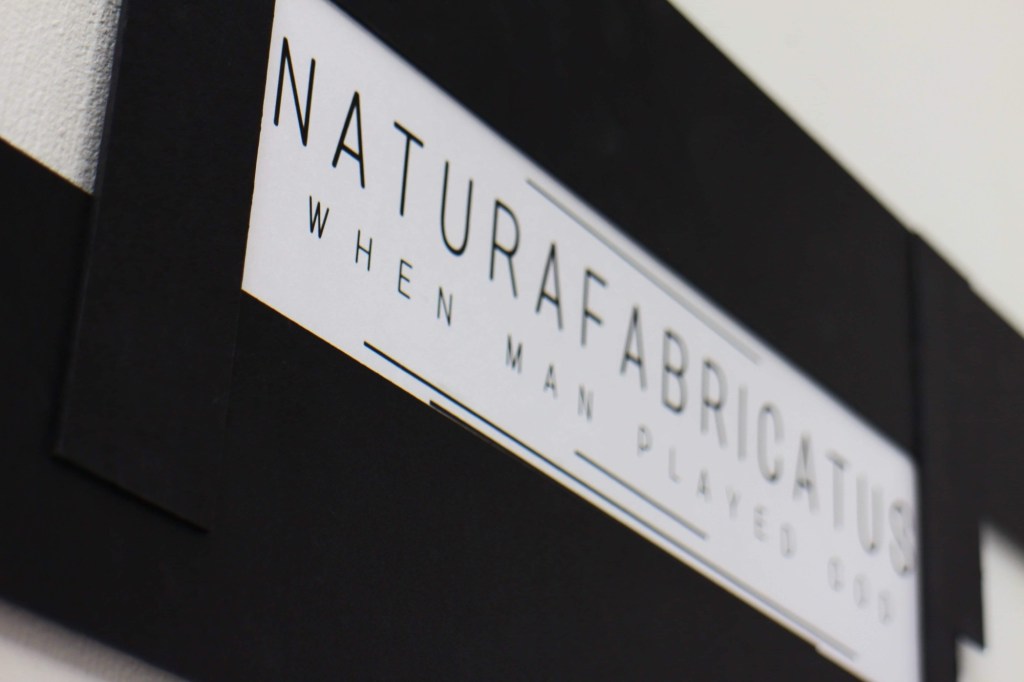
*Naturafabricatus Biennium
Was a period of time in which the dominant species (the Homosapien), had through the manipulation of earths elements created a material that cannot occur naturally.
Though this species had previously created materials that were not naturally occurring, this time period is focused on a two hundred year period in which the Homosapien had discovered and produced polymer based, synthetic materials known as Plastics.
Plastics are notable for their endurance against decay and resistance in amalgamating with the natural world.
Plastics can be found at certain depths in the ground in much of their original form.
Geologically Plastics are found everywhere,
they can be found in a physical form but are most commonly found as microscopic particles.
In physical form they will oftentimes be found in *patches forming a loose brittle layer between rocks and sediments.
There was not an area of the earth during the Naturafabricatus Biennium that was not infused with these microscopic particles.
This therefore makes the entire geological layer of this period partially synthetic, thus the need for a title, for though it was a period of only two hundred years this layer stands out in its synthetic makeup and through its vast global saturation.
The period that followed the Naturafabricatus Biennium was wrought with droughts and desertification on a global level, this was shortly followed a mass extinction event.
Although we cannot identify the exact cause of this event it is highly likely that the combative nature of Plastics against the naturally forming world had a part to play.
It is possible that the permeation and saturation of Plastics within the earths soil could have contributed to the desertification of the earths surface, thus causing a sudden global temperature rise.
The effects of the synthetic material outlasted its period and creators.
Globally we find the synthetic materials in physical form throughout thousands of years of rocks and sediments past the period of its creation.
In microscopic form for hundreds of thousands of years and with some areas geographically still being heavily contaminated for millions of years.
In recent history we have found that the synthetic materials of the Homosapien have in fact integrated into the natural world. The microscopic Plastics had over millions of years broken down into tiny particles, eventually forming the *Polysyth macromolecule that we find within everything today.
—
*Naturafabricatus Biennium.
In Latin, natura meaning nature and fabricatus meaning to build, construct, fashion, forge or shape, in short fabricate. (Nature Fabricated).
Biennium refers to the period of time in which plastic as a material existed, a period of two hundred years.
The name Naturafabricatus Biennium is a play on the Latin names given to geological time periods.
*patches. Multiple layers of hard brittle plastic that have formed airy loose pockets between layers of rock and sediment.
*Polysyth. A synthetic polymer macromolecule that is found to occur in the structure and DNA of all life on Earth.
Check out the 3rd year degree show.
 S.R.F.Thomas